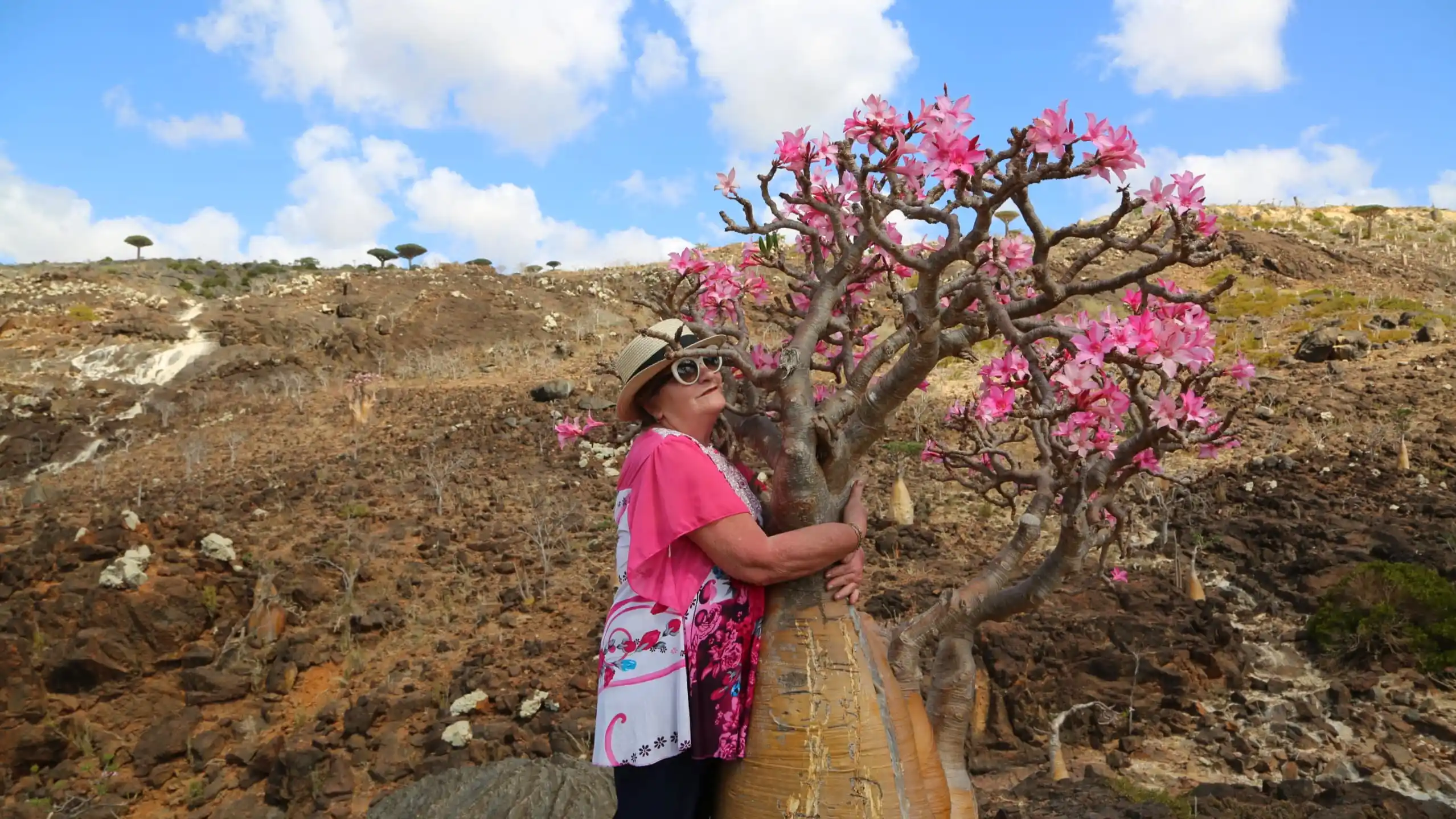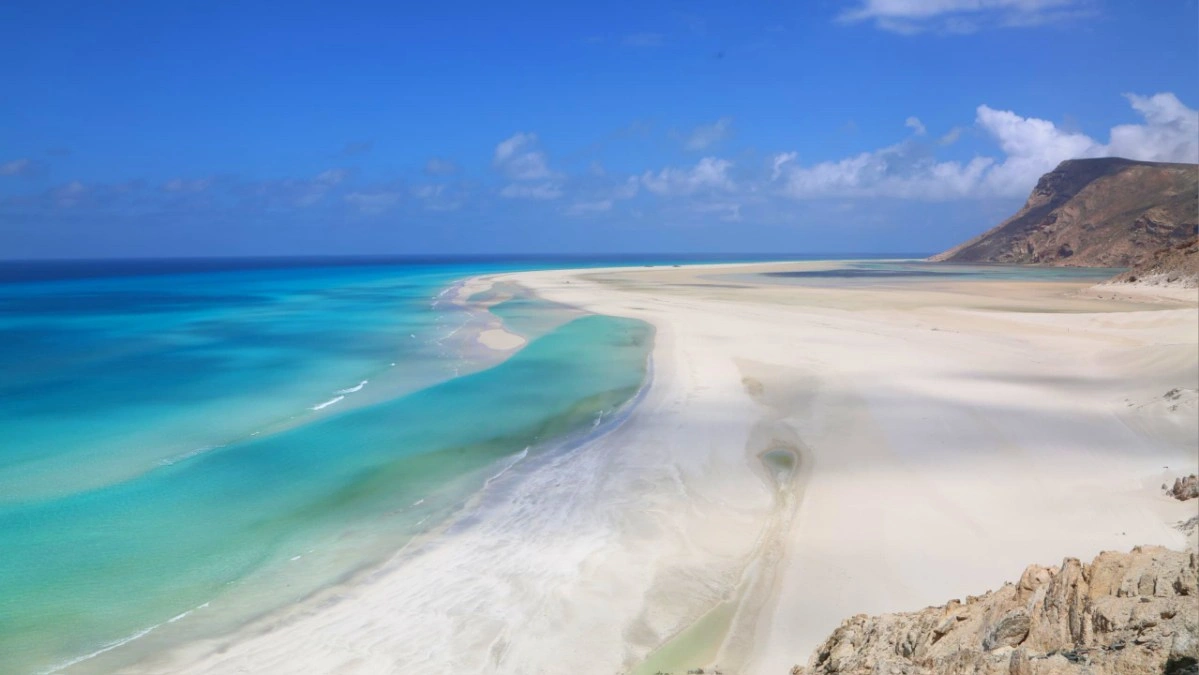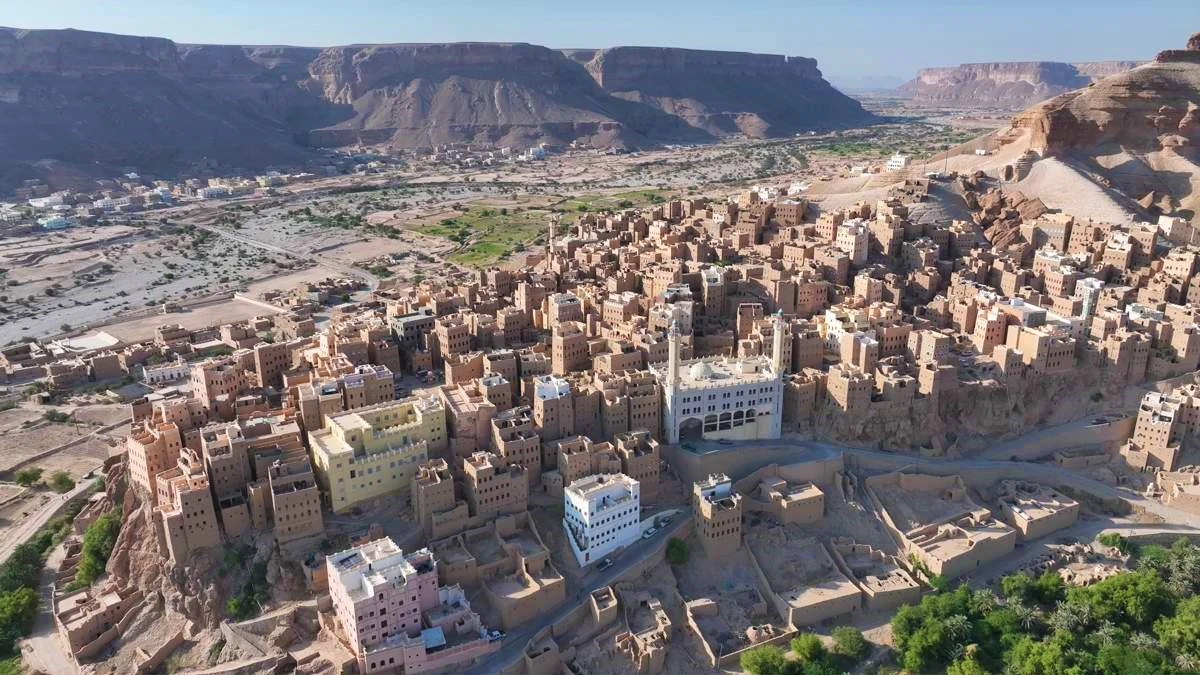
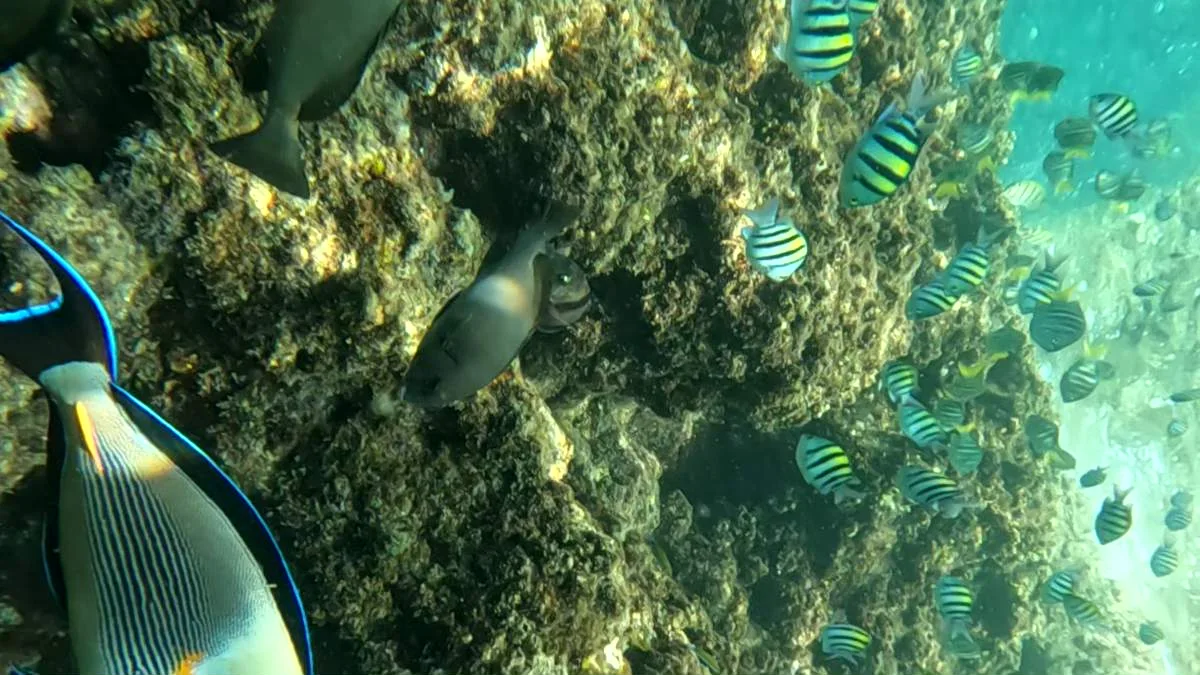
Socotra is famous for Dragon Blood Trees, white dunes and remote beaches, but the island’s marine life is also one of its strongest natural attractions.
The clear coastal waters around Socotra support coral reefs, reef fish, rocky marine landscapes and protected snorkeling areas. For travelers interested in the sea, a Socotra itinerary can include snorkeling, shore-based reef exploration and scuba diving when conditions allow.
Dihamri Marine Protected Area is the best-known place for snorkeling and diving in Socotra. Other important marine locations include Rosh Marine Protected Area, Shoab, Ras Ersel and selected coastal sites depending on weather, sea conditions and the confirmed program.
This guide explains where to snorkel and dive in Socotra, what to expect at Dihamri, how scuba diving is arranged and how marine activities fit into an island private or group tour.
Why Socotra Is Interesting for Snorkeling and Diving
Socotra’s marine environment is part of the island’s global natural importance.
The archipelago has hundreds of reef-building corals, coastal fish and marine invertebrates. This gives travelers a chance to experience a side of Socotra that is very different from the highlands, caves and dunes.
Snorkeling and scuba diving in Socotra are not mass-tourism activities. The island does not have the large dive-resort infrastructure found in more developed destinations. Marine activities are more basic, more remote and more dependent on local conditions.
This is part of the appeal. Travelers come for clear water, coral areas, reef fish, rocky coastlines and the feeling of exploring a less-commercial marine environment.
Dihamri Marine Protected Area

Dihamri Marine Protected Area is the leading location for snorkeling and scuba diving in Socotra.
Its rocky shoreline leads into clear water with coral formations, reef fish and other marine life. Snorkelers can access parts of the reef from the shore, making Dihamri one of the most practical marine stops on a standard Socotra itinerary.
Dihamri is also important because it has a campsite and diving base. This makes it easier to combine marine activities with an overnight stay, depending on the route.
For travelers who do not scuba dive, Dihamri is still worth visiting. The coastline, clear water and marine setting make it one of Socotra’s most attractive protected areas.
Scuba Diving at Dihamri
Scuba diving at Dihamri can be arranged through the diving center at the campsite.
A professional diving instructor is available, and scuba equipment can be hired for organized dives. Diving arrangements depend on instructor availability, diver experience, equipment availability, sea conditions and the final tour program.
Certified divers should share their certification level, number of logged dives and recent diving experience before travel. This helps the local team plan suitable dive options.
Introductory adventure dives may be possible for travelers without certification under direct instructor supervision, but this must be confirmed in advance.
Diving should never be treated as automatically included in every Socotra tour. Travelers who want to dive should request it before booking so the itinerary can allow enough time for equipment preparation, safety checks and suitable sea conditions.
Rosh Marine Protected Area

Rosh Marine Protected Area is another important marine site in Socotra.
It is known for reef scenery and diving opportunities, including a reef drop-off located offshore. Because of its location and access requirements, Rosh is usually more suitable for planned scuba diving than casual beach snorkeling.
The experience at Rosh depends strongly on sea conditions, visibility and diver ability. It should be arranged with a qualified instructor or local diving team rather than treated as an independent activity.
For travelers who want a deeper Socotra diving experience beyond Dihamri, Rosh can be an important addition to the itinerary.
Shoab, Ras Ersel and Other Dive Locations
Several other coastal areas may be used for diving or marine exploration depending on the season and program.
Shoab is best known as a remote beach reached by boat from Qalansiyah, but the western side also has diving interest, including shipwreck-related sites mentioned by local diving operators.
Ras Ersel, at the eastern end of Socotra, is another area associated with dive locations and dramatic coastal scenery. It is exposed and conditions can change, so access depends on wind, waves and the local team’s assessment.
Adho is also listed among Socotra’s diving locations and is associated with deeper dives.
These sites are not always included in a standard itinerary. Travelers who are serious about diving should ask in advance which sites are realistic for their dates, certification level and route.
Snorkeling vs Scuba Diving in Socotra
Snorkeling is easier to include in a normal Socotra tour.
At places such as Dihamri, travelers can enter from the shore when conditions are suitable. Snorkeling requires less equipment and less time than scuba diving, but travelers should still be comfortable in the water and follow local guidance.
Scuba diving requires more planning. It depends on certification, instructor availability, equipment, currents, visibility and weather. It may also require adjusting the day’s route so there is enough time for preparation and safety procedures.
Travelers who mainly want a general Socotra nature tour may be satisfied with snorkeling. Travelers with diving experience should request scuba diving before the tour is finalized.
Best Time for Snorkeling and Diving in Socotra
The best time for snorkeling and diving in Socotra depends on sea conditions, wind, visibility and the wider travel season.
Even during the main operating months, marine conditions can change. A day that is suitable for highland hiking may not be ideal for snorkeling or diving, and a planned marine activity may need to move to another day.
This is why Socotra itineraries should remain flexible. Dihamri, Shoab, Rosh and Ras Ersel all depend on current conditions rather than fixed promises.
Travelers interested in marine activities should review the Best Time to Visit Socotra Guide before choosing dates and should confirm diving plans with the operator in advance.
How Diving Fits Into an 8-Day Socotra Itinerary
Snorkeling at Dihamri can usually fit into an 8-day Socotra itinerary because Dihamri is already included in many standard routes.
Scuba diving requires more careful planning. One dive may fit into a Dihamri day if the group schedule allows, while additional dives or other dive sites may require a more customized itinerary.
A typical 8-day route may include Detwah Lagoon, Shoab Beach, Diksam Plateau, Firmihin Forest, Aomak Beach, Wadi Kalisan, Arher, Hoq Cave, Dihamri and Homhil.
Travelers who want Socotra diving to be a major focus should consider a private tour or a customized program. This gives more flexibility to adjust the route around instructor availability, equipment preparation, sea conditions and preferred dive sites.
What Equipment Is Available?
Scuba equipment can be hired through the diving center at Dihamri for organized dives, subject to availability and advance confirmation.
Travelers should confirm what is included before arrival, especially if they need specific sizes or have personal equipment preferences.
Certified divers may prefer to bring their own mask, dive computer or other personal items. Snorkelers may also prefer to bring their own mask and snorkel for better comfort and fit.
Because Socotra is remote, travelers should not assume that every replacement item or special size will be available on the island.
Marine Safety and Responsible Travel
Snorkeling and diving in Socotra should always follow local safety guidance.
Travelers should not enter the water when the guide or instructor advises against it. Wind, waves, currents and visibility can change quickly.
Snorkelers and divers should avoid standing on coral, touching marine life, chasing animals or collecting shells and coral. Sunscreen should be used responsibly, and waste should never be left on beaches or campsites.
Good marine travel protects the reefs and helps keep Socotra’s underwater landscapes healthy for local communities and future visitors.
Planning a Socotra Diving or Snorkeling Tour with TourYemen
Socotra snorkeling and scuba diving can add an important marine dimension to an island tour.
Dihamri Marine Protected Area is the easiest and most practical place to include snorkeling or diving. Rosh, Shoab, Ras Ersel and other sites may be possible depending on conditions, certification and the confirmed route.
TourYemen can arrange Socotra tours that include Dihamri, marine protected areas, snorkeling opportunities and diving requests where possible.
Diving should be requested before booking so the itinerary can be planned around instructor availability, scuba equipment, sea conditions and the traveler’s experience level.
Contact TourYemen to plan a Socotra itinerary that includes the island’s beaches, highlands, caves, dunes and marine activities.